Pelvic Floor Therapy
A non-invasive approach to strengthening and supporting pelvic health and core function.
“The core of the body is the core of its strength”
The Details
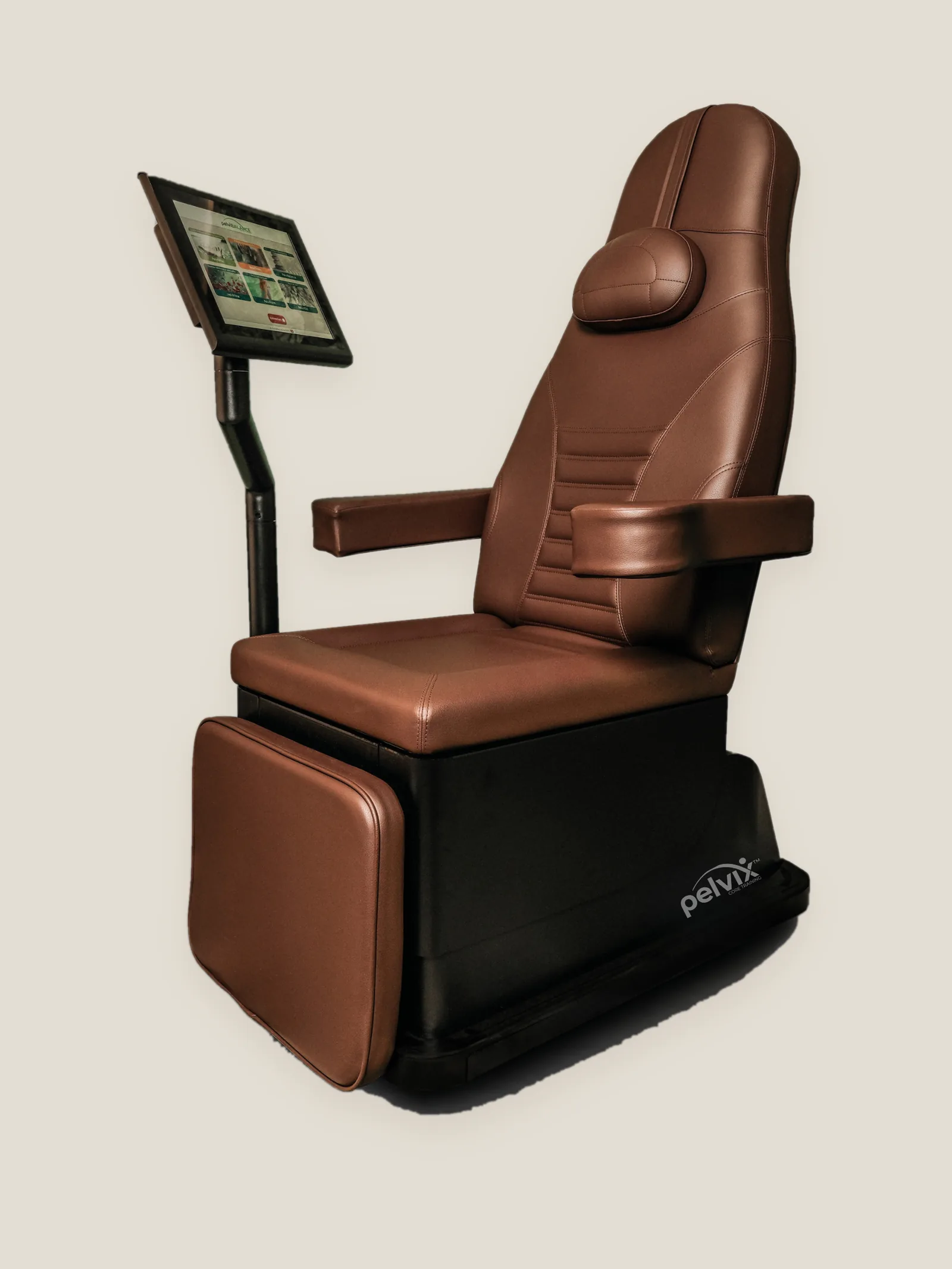
Pelvic Floor Therapy at Align by Ami uses PelviX, a certified medical device that works through functional magnetic stimulation to activate and relax the pelvic floor muscles at a neuromuscular level. This is designed to support pelvic floor muscle function, circulation, and overall pelvic health. It is a non-invasive approach to strengthening and supporting pelvic health and core function.
The aim is to build strength and function in a way that is effective, sustainable, and aligned with the body.
- Postpartum recovery
- Core weakness
- Overactive or underactive pelvic floor
- Incontinence
- Pelvic instability
- Organ prolapse
- Hormonal and menopausal changes
- Menstrual discomfort
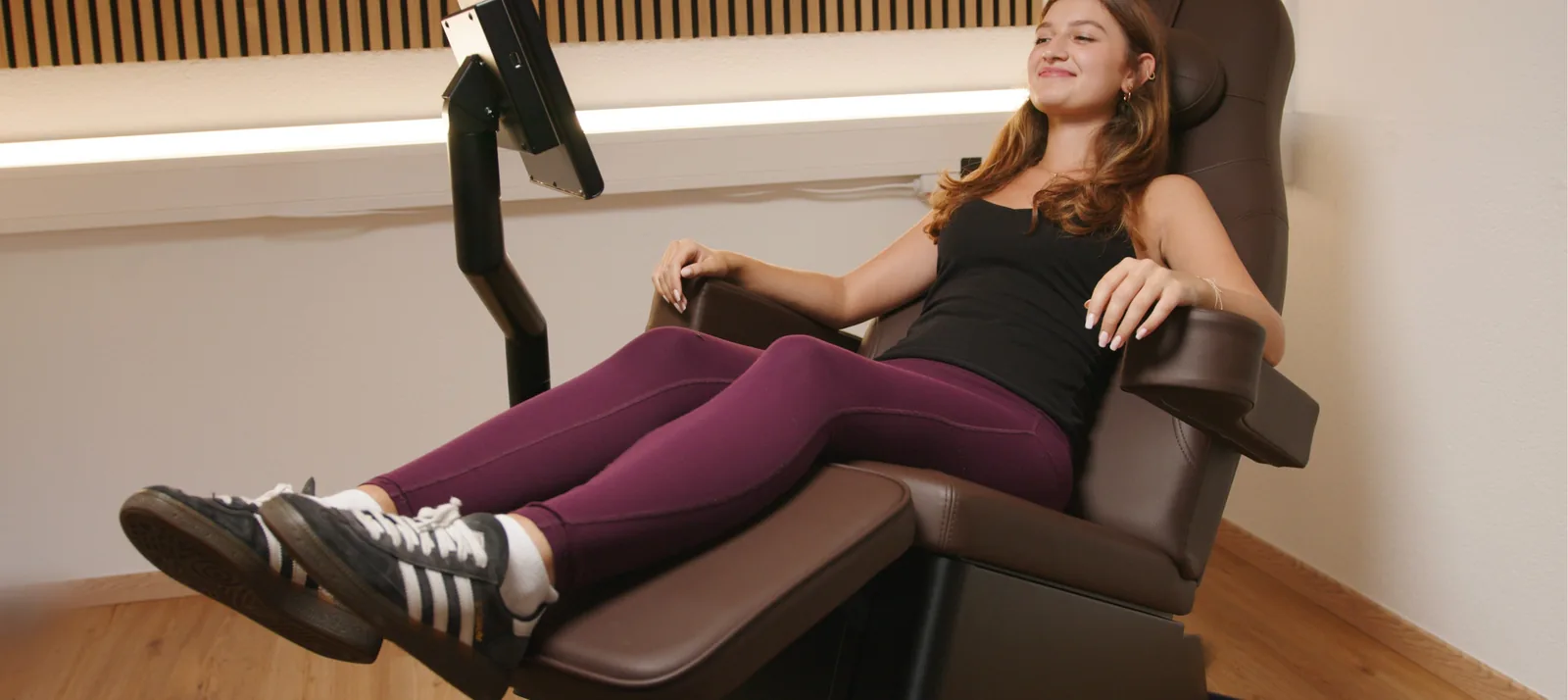
- A seated, non-invasive session
- Sessions lasting 20-40 minutes, depending on your needs
- No internal treatment
- Intensity adjusted gradually and tailored to you
- Referral where appropriate
At Align by Ami, Pelvic Floor Therapy is not treated in isolation. It is integrated with osteopathy and strength training to support overall movement, posture, and long-term strength.
Frequently Asked Questions
Pelvic floor therapy is performed while seated and fully clothed. We recommend wearing comfortable clothing.
No. Treatment is non-invasive and carried out fully clothed.
Yes, Pelvic Floor Therapy is a certified and controlled therapy. Intensity is adjusted based on your comfort and needs, and a consultation will determine if it is suitable for you.
Pelvic floor therapy begins with a consultation with our osteopath, allowing us to tailor the treatment plan and intensity to your needs.
Sessions typically range from 20-40 minutes, depending on your treatment plan.
This will be determined in your consultation. Typically 4-6 sessions are required, with patients noticing improvements within the first 2 sessions.
You may feel muscle contractions in the pelvic floor, similar to doing a Kegel exercise. The intensity is always adjusted to your comfort.
It is suitable for both men and women. It is commonly used to support women at different stages, including postpartum, those experiencing pelvic floor concerns, or anyone looking to improve core and pelvic function. It is not suitable for women who are pregnant.
Yes. Pelvic floor therapy is often integrated with osteopathy, strength training, and recovery to support overall function and long-term results.
Most clients tolerate treatment well. Occasionally, there may be mild muscle fatigue or awareness following a session as the muscles begin to activate.
Yes. Pelvic floor therapy can also be used proactively to support strength, stability, and long-term function.